Waste coming back up a shower, a toilet that will not clear, a gurgle from a floor waste. Everywhere else in Sydney that list has one meaning and one response: something is obstructing the line, clear it.
In this valley there is a second possibility that produces exactly the same symptoms with a completely clear pipe. In heavy rain the sewer system can take more water than it was built to carry, and where a house has no working relief point outside, the lowest fixture indoors becomes the relief point instead. Clearing a line that was never blocked achieves nothing before the next storm.
An obstruction and a surcharging main look identical from inside the house. The difference shows in the pattern: an obstruction does not care whether it is raining and usually affects fixtures downstream of it, while surcharge arrives with heavy rain, affects the lowest openings first, and eases when the rain does. Establish which you have before anybody quotes a clearance.
- Note whether it happened during heavy rain or independently of it
- Note whether it eased when the rain stopped
- Note whether it was the lowest fixtures or a particular branch
- Ask the neighbours whether anything happened at their place at the same time
- Find out whether the property has a working relief gully outside
On this page
1. Two different problems producing one symptom
It is worth naming them clearly, because everything else follows from the distinction.
- An obstruction. Something is physically in the line: roots, a build-up, a foreign object, or a defect collecting material. It is your drainage and clearing it is the right answer.
- Surcharge. The system downstream is over capacity in heavy rain, the level rises, and it relieves at the lowest available opening. Nothing is blocking anything. The pipe is doing exactly what an over-full pipe does.
From standing in a bathroom watching water come up, those are indistinguishable. That is the entire difficulty and it is why the question has to be asked deliberately rather than assumed away.
It costs the call-out, it does not prevent the recurrence, and it teaches the household that the problem is unfixable when it is not.
2. The five questions that separate them
- Was it raining hard? Surcharge is a wet weather event. An obstruction has no opinion about the weather.
- Did it ease when the rain stopped? Surcharge subsides as the system drains. An obstruction is still there in the morning.
- Which fixtures? Surcharge relieves at the lowest openings, so a ground floor shower, a laundry tub or a downstairs toilet. An obstruction affects whatever is upstream of it, which can be any combination.
- Did anything come back up, or did things just stop draining? Water arriving is different from water not leaving.
- Did the neighbours have anything at the same time? A street-wide event in the same hour points firmly away from your own pipework.
Those five answers cost nothing and they are worth writing down at the time, because a week later nobody remembers whether it eased or not.
3. Why this valley produces the question at all
Marrickville sits in a piped urban valley of about 7.9 square kilometres draining to the Cooks River through four outfalls, including the Malakoff Tunnel. It fills from rainfall in minutes and empties again within roughly an hour.
Short, intense loading is exactly the condition under which a drainage system reaches capacity, and it is why the question arises here every few summers rather than once a lifetime.
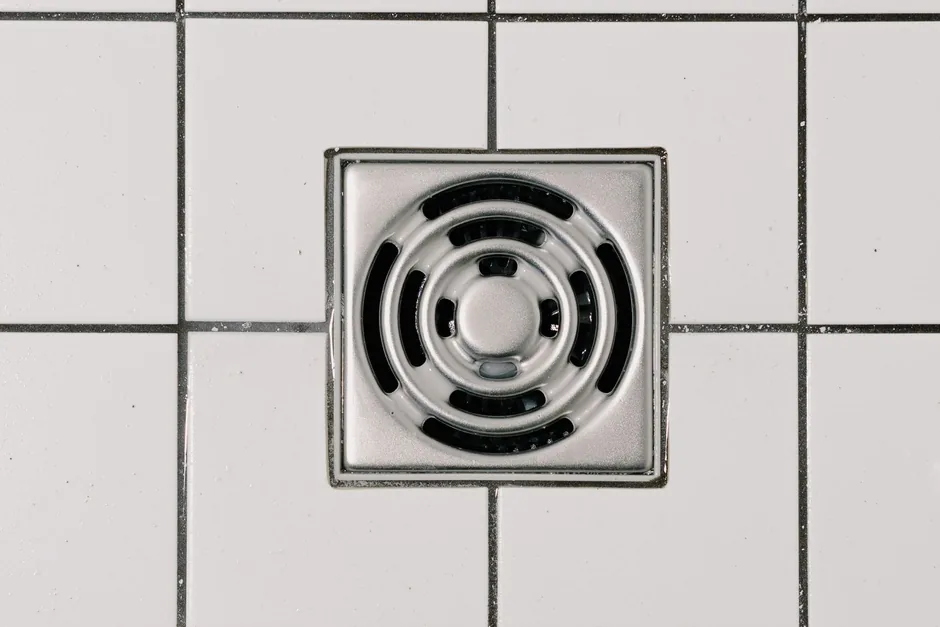
The second half is the housing. A good many older houses in the Inner West never had an overflow relief gully fitted, and on plenty of others the ground has been raised around one over decades of paving and landscaping. Where there is no working relief point outside, the house provides one.
4. What a plumber should actually do first
The useful first move on this ground is not the machine. It is twenty minutes establishing which problem is in front of us.
- Ask the five questions above, before anything is unloaded.
- Find the overflow relief gully, if there is one, and check its level against the lowest fixture inside.
- Look at whether it is clear, and whether landscaping has raised the ground around it.
- If there is genuinely an obstruction, clear it, and then camera the line so the cause is visible rather than assumed.
- If there is not, say so, and explain what actually happened.
Point five is the one that matters, and it is the one a household almost never gets. Being told plainly that your drain was not blocked is worth more than another clearance, because it redirects the effort to something that will work.
Water came up during the last downpour?
Tell us whether it eased when the rain stopped. That answer changes what we do first.
5. When it genuinely is an obstruction
Frequently it is, and none of this is an argument against clearing drains. It is an argument for knowing which job you are doing.
A genuine obstruction behaves consistently: it does not follow the weather, it affects a predictable set of fixtures, and it gets worse rather than easing. The usual causes here are the usual causes anywhere, with roots and accumulated material the most common in older housing.
Where it is an obstruction, the useful extra step is a camera afterwards. Clearing tells you the line is open now. Footage tells you whether it was open because something washed through or because there is a defect that will collect the same material again.
6. What to do the next time it rains hard
- Note the time it starts and whether it is raining.
- Note which fixtures are affected and in what order.
- Photograph it, dated.
- Note when it stops, and whether that lines up with the rain stopping.
- Ask a neighbour or two whether they had anything.
- Keep that note. Two events with the same pattern is a diagnosis; one remembered vaguely is not.
A household that can describe two events precisely has given a plumber more useful information than any equipment will produce in the first hour. On this ground that is genuinely the difference between fixing it and clearing it again.
- An obstruction and a surcharging system look identical from inside the house.
- Surcharge arrives with heavy rain, hits the lowest openings, and eases when the rain does.
- An obstruction ignores the weather and is still there in the morning.
- This valley fills in minutes, which is exactly the loading that produces surcharge.
- Where there is no working relief gully outside, the house becomes the relief point.
- Ask for a camera after any clearance, so the cause is visible rather than assumed.
Is it your blockage? FAQs
It only happens when it rains. Is that a blockage?
Almost certainly not, and that is the most useful single observation you can make. An obstruction does not follow the weather. Something that arrives with heavy rain and eases afterwards is a capacity problem rather than a blockage.
Should I still get it cleared?
If the line is genuinely clear, clearing it changes nothing before the next storm. That is why the question comes first. Where there is an obstruction as well, clearing is exactly right, and the two can coexist.
The neighbours had it too. What does that mean?
A street-wide event in the same hour points firmly away from your own pipework and toward the system being over capacity. Worth mentioning when you ring, because it changes the first thing we look at.
Can anything be done about surcharge?
On your own property, yes: making sure there is a working relief point outside, at the right level, so the system relieves there instead of indoors. The public network itself is the water authority's and they are the authority on it.
How do I know if I have a relief gully?
Walk the perimeter and look for a grate at ground level near the house, and check nothing has been built or grown over it. Our guide on finding it goes through what to look for and why the level matters.
It has happened twice now. Is that a pattern?
It is enough to be worth writing down properly. Two events with the same pattern, both in heavy rain, both at the lowest fixtures, both easing afterwards, is a diagnosis rather than bad luck.